Thứ Sáu, 15 tháng 8, 2014

Ancient House - 87 Ma May


Built at the start of the 19th century, the old house at no 87 Ma May street is one of the oldest houses in Hanoi built in the old pipe- shaped architecture. This was a very popular architectural style in the past. The house has had a number of owners, but the original architectural style is still preserved. 

Before 1945, the owners of the house was famous rice trader in Hanoi, The house welcomed many traders from all over the country. After 1945, the owners sold this house to a rich Chinese family who specialized in selling and filling prescription medicines. The owners lived in the house for less than ten years, and then moved with his family to the South, leaving the house without a real owner for a long time. In 1954 the Hanoi Real Estate Department took it over and allocated it to five- holds who all lived there together.

In 1999, the house was restored under the project “preserving and restoring the Hanoi Old Quarter.” The restoration was finaced by the Hanoi Government and Toulouse (France) provincial government. The house is now a tourist attraction and the only place which preserves the daily, bustling history of “Old Hanoi with its thirty- six streets”

Covering an area of 157.6 square meters, the house is 28 meters long, 5 meters wide in the front and 6 maters wide at the back. As the owner of the house was a trader, he designed the house in the “Mo Hau” style (narrow in the front and wide in the back) believing that he would be lucky in business.


The house is built in the pipe- shaped architecture which was so popular in the past. It has three apartments. Each apartment is separated by a small space called “Gieng Troi” (Well of heaven). The house frame bears the main force of the house. The stair are made of ironwood and carved. The sloping roofs are covered with two layers of tiles: Flat tile inside layer and toe- cap tile outside layer.

In the past, the first apartment on the first floor had trade exhibits and produced traditional handicraft products. The well of heaven in the middle was used to grow plants to make the house more spacious. The second apartment provide a relaxation space and place for storage of goods. The well of heaven on this floor was used to cook and wash clothes. The final apartment was used for sanitation and storage.

The second floor of the house is the place where the owners live. The first apartment is used for welcomed guests and placing the ancestral altar. There are wooden statues, bronze objects, horizontal lacquered boards, an incense burner and parallel sentences on the altar. The second apartment is the living place of the house’s owner. There is a carved settee made of ironwood and an old tea chest, the final apartment is the place for study and relaxation, It has stone and wooden chessboards, pipes made of bamboo, bronze or aluminum in the late 19th century, dusty embroidered frames and looms.

The harmonious decoration creates more space for the house, though it preserves its original state, with regard to both family and commercial life in the capital city.

From A Tourist - Hanoi's Old Quarter: The 36 Streets

By Barbara Cohen
As the oldest continuously developed area of Vietnam, Hanoi's Old Quarter has a history that spans 2,000 years and represents the eternal soul of the city. Located between the Lake of the Restored Sword, the Long Bien Bridge, a former city rampart, and a citadel wall, the Old Quarter started as a snake and alligator-infested swamp. It later evolved into a cluster of villages made up of houses on stilts, and was unified by Chinese administrators who built ramparts around their headquarters. The area was named "Dominated Annam" or "Protected South" by the Chinese.
The Old Quarter began to acquire its reputation as a crafts area when the Vietnamese attained independence in the 11th century and King Ly Thai To built his palace there. In the early 13th century, the collection of tiny workshop villages which clustered around the palace walls evolved into craft cooperatives, or guilds. Skilled craftsmen migrated to the Quarter, and artisan guilds were formed by craftsmen originating from the same village and performing similar services. Members of the guilds worked and lived together, creating a cooperative system for transporting merchandise to the designated streets in the business quarter.
Because inhabitants of each street came from the same village, streets developed a homogeneous look. Commoners' homes evolved out of market stalls, before streets were formed. Because storekeepers were taxed according to the width of their storefront, storage and living space moved to the rear of the buildings. Consequently, the long and narrow buildings were called "tube houses." Typical measurements for such houses are 3 meters wide by 60 meters long.
The Old Quarter has a rich religious heritage. When the craftsmen moved from outlying villages into the capital, they brought with them their religious practices. They transferred their temples, pagodas and communal houses to their new location. Each guild has one or two religious structures and honors its own patron saint or founder. Therefore, on each street in the Old Quarter there is at least one temple. Now, many of the old temples in the Old Quarter have been transformed into shops and living quarters, but some of the old buildings' religious roots can still be recognized by the architecture of their roofs.
Although the old section of Hanoi is often called the "36 Old Streets," there are more than 36 actual streets. Some researchers believe that the number 36 came from the 15th century when there might have been 36 guild locations, which were workshop areas, not streets. When streets were later developed, the guild names were applied to the streets. Others attribute the 36 to a more abstract concept. The number nine in Asia represents the concept of "plenty." Nine times the four directions makes 36, which simply means "many." There are now more than 70 streets in the area.
Some streets have achieved fame by their inclusion in popular guidebooks. Han Gai Street offers silk clothing ready-made and tailored, embroidery, and silver products. Hang Quat, the street that formerly sold silk and feather fans, now stuns the visitor by its brilliantly colored funeral and festival flags and religious objects and clothing. To Thinh Street connects the above two and is still the wood turner's street. Hang Ma glimmers with shiny paper products, such as gift wrappings, wedding decorations and miniature paper objects to burn for the dead. Lan Ong Street is a sensual delight of textures and smells emanating from the sacks of herbal medicinal products: leaves, roots, barks, and powders.
Let us turn now to nine of the lesser known streets in the Old Quarter that possess a unique character worth exploring.
Hang Bac Street
A majority of the street names in the Old Quarter start with the word hang. Hang means merchandise or shop. The guild streets were named for their product, service or location. Hang Bac, one of the oldest streets in Vietnam, dates from at least the 13th century. Bac means silver, and appropriately, this street started as a silver ingot factory under the reign of Le Thanh Tong (1469-1497). Village people, called the "Trau Khe silver casters," were brought into the capital to cast silver bars and coins. After a ceremony to transfer their craft from their village of Trau Khe to Hanoi, they set up two temples to honor the founders of their craft. At one communal house, the silver was molten and poured into molds. At the other communal house, the molds were further processed for delivery to the Prime Minister. The crafters went to great lengths to keep their methods secret to avoid counterfeit products.
At the turn of the 18th century, the street took on more varied functions. In addition to the casting of silver ingots, the street attracted more jewelry makers and money exchangers. Money exchangers thrived, since in the old days, paper money was not used. Instead, currency consisted of bronze and zinc coins and silver ingots. When merchants needed a large amount of money for business transactions, they would exchange the heavy metal bars on Hang Bac. During the French time it was called "Exchange Street." Although paper currency was later used, the word for it included the word bac.
Hang Bac also has jewelers of different types: engravers, smelters, polishers, and gold-leaf makers. The first jewelry makers were the Dong Cac guild, which settled during the Le dynasty (1428-1788). They founded a temple dedicated to three brothers who learned their art in China in the 6th century, and who are considered the patron saints of the Vietnamese jewelry making profession.
There are several famous buildings on this street. In the communal house on Hang Bac, there is a stone stele, built in 1783, telling about a Mandarin who forcibly took over the communal house. The locals took him to court and won back their building. The Dung Tho Temple is dedicated to Chu Bi, a Taoist deity. At the end of the French colonial period, this temple had been named Truong Ca, after a person who watched over the temple and served the best noodle soup. One building on this street is the pride of contemporary history-the Chuong Vang (Golden Bell) Theater, which still hosts traditional Vietnamese theater performances. The former traditional-venue theater, the To Nhu (Quang Lac) Theater built in the 1920s, also is on this street but has been transformed into apartments.
Hang Be Street
In the mid-19th century, the guild of bamboo raft makers was located on this street outside the My Loc gate, one of the many sturdy gates to the city. The cai mang raft consisted of 12 to 15 large bamboo poles lashed together by strips of green bamboo bark. Their anterior was slightly raised by heating the wood, and the aft was rigged with three quadrangular sails made of coarse linen dyed with extracts of sweet potato skins.
Bamboo rafts were sensible for Hanoi's shallow rivers, lakes and swamps, which can not provide solid anchorage or natural shelter from storms. The flat design better weathered the seasonal typhoons that lash the northern part of Vietnam, and is better adapted to coastal and river fishing. The bamboo poles from which the rafts were constructed were sold one block east on Hang Tre Street.
Cau Go Street
Meaning "Wooden Bridge," Cau Go Street is located one block north of the Lake of the Restored Sword, and was in fact the location of a wooden bridge. About 150 years ago, the bridge crossed a thin stream of water connecting the Thai Cuc Lake with the Lake of the Restored Sword. Dyers from the neighboring Silk Street set out their silk to dry or bleached their fabric beside the bridge. Under the French occupation, the lake and stream were filled as health measures and to increase buildable land. The little wooden bridge became a regular street.
On the edge of the lake, women in wide brimmed hats once sold armfuls of flowers to the French for a few coins. Today a flower market exists where the Cau Go alley intersects with the main street. Other historical sites on Cau Go are the secret headquarters and hiding place of the 1930-45 "Love the Country" resistance movement.
Cau Go today is a commercial street specializing in women's accessories.
Hang Dao Street
This street is one of Vietnam's oldest streets. It serves as a main axis running from north to south, cutting the Old Quarter in half. In the French Colonial time, Hang Dao Street was a center for the trading of silk products. On the first and sixth days of the lunar month, there were fairs for the sale of silk items. Shops also sold other types of fabric such as gauze, brocade, crepe, and muslin. Almost all the non-silk products were white.
In the beginning of the 15th century, this street was the location of the silk dyer guild from the Hai Hung Province, which specialized in a deep pink dye. Dao, the name of the street, refers to the pink of apricot blossoms, which are symbolic of the Vietnamese Lunar New Year. The demand for this special color was so high that the fabric had to be dyed at other locations as well.
By the 18th century, the dye colors diversified. In the 18th-century work Notes About the Capital, the author wrote that "Hang Dao guild does dying work. It dyes red as the color of blood, black as Chinese ink, and other beautiful colors."
In the 19th century, Hang Dao was lined by about 100 houses, of which only 10 or so were constructed of bricks. The rest were of thatch. On the side of the street alongside the now filled-in Hang Dao Lake, the foundations of the houses have visibly sunk lower than the road.
By the turn of this century, Indian textile merchants opened shops for trading silk and wool products imported from the West. This street now specializes in ready-made clothing.
Dong Xuan Street / Market Street
This street originally belonged to two villages-the even numbered houses were occupied by the Nhiem Trung village, and the odd numbered houses were occupied by the Hau Tuc village.
The Dong Xuan market, Vietnam's oldest and largest market, occupies half of the street.
River networks formed the economic hub of Hanoi by providing a system of waterways which fed the city and markets. Located at the confluence of the To Lich and Red Rivers, the Dong Xuan market was once one of the busiest urban areas in Southeast Asia.
The French required merchants to bring their goods inside the fenced perimeter of the market in order to facilitate tax collections. When the number of merchants swelled, the market was enlarged. In 1889, a structure was built over it, and five gates were built leading to it. Each of the five market gates was used only for specified goods. In 1992, the market was renovated and a new facade erected.
Hang Mam Street
Hang Mam is the union of two old streets: an eastern offshoot called Hang Trung and the original Hang Mam. The name is derived from the various kinds of mam, or fish sauces, that are produced and sold here, as well as other sea products. The street was originally on the riverside, close to the day's catch.
Nuoc mam, or fish sauce, is made from fish that are too small to be sold individually which are placed in clay vats with water and salt. Boiled water is poured over the fish and weights are placed on top of the mixture to compress it. The concoction distills for days, and the result is a clear amber juice that is rich in protein, vitamins and minerals. With aging, the fierce ammoniac odors of the fish become mellow, and like brandy, the flavor improves. The first pressing, which is the clearest and purest, is called nuoc mam nhi, or prime. The sauce was stored in barrels made on adjacent Hang Thung Street.
In the 1940s, new specialties appeared on the street. A small ceramics industry appeared along with those of memorial stone etching, coffin, and tombstone manufacturers
Ma May Street
This street also is a union of two old streets. Hang May sold rattan products, and Hang Ma sold sacred joss (paper replicas of money, clothing, even stereo sets) to burn for the dead. Ma is burned in front of the altar of ancestors accompanied by prayers. Around the turn of the century, the streets became one: Ma May.
In the French time, this street was called "Black Flag Street" because the soldier Luu Vinh Phuc had his headquarters here. Luu was the leader of the Black Flags, a bandit unit operating around Hanoi in the late 19th century. They were essentially pirates who made a living robbing villagers and merchants. In the 1880s, the Black Flags cooperated with the Vietnamese Imperial Forces to resist the French who were attempting to gain military control of Hanoi.
In the middle of the street is the Huong Tuong temple, established in 1450, which honors Nguyen Trung Ngan (1289-1370), a governor of Thang Long, the former name of Hanoi.
Hang Thiec Street
Hang Thiec is the street of tinsmiths. The craftsmen originally produced small tin cone-shaped tips which were used to preserve the shape of the traditional conical hats. A neighboring street, Hang Non, made the hats, and both streets comprised the Yen No hamlet.
Hang Thiec Street also produced oil lamps, candle sticks, and opium boxes. Tin shops sold mirrors, which they still do today, along with sheet metal, zinc, and glass. The street echoes busily with the clanging of hammers against the sheet metal. Workers spread out on the sidewalk shaping metal storage boxes and other objects to custom order.
Hang Thung Street
In the old days, on this block inside the Dong Yen gate, barrels were manufactured. The barrels were used for storing and carrying water and fish sauce. The communal house and the temple of the barrel makers' guild is located at 22 Hang Thung, but is hidden behind newer buildings. The street is shaded by the leaves of the xoan tree which has a fluffy cream colored cluster flower and bright red berries. The tree has various English names: Margosa, Bead, or China Berry tree. In May, the tiny flowers fall to the ground like yellow confetti. The furrowed bark is often scraped off by local residents, who dry and boil it to make a medicinal infusion as a vermifuge.
The Old Quarter is a precious legacy of Hanoi's ancient past, but the area is challenged by rapid changes.
Today, handicraft production is increasingly replaced by restaurants, repair shops, and mini hotels. Historic buildings have become mass living spaces and schools as the population increases. Craft workers now constitute nine percent of the neighborhood. Traders make up 40 percent.
With the new economic policies, a dramatic building boom has begun, threatening the charm of the district. Local, national, and international agencies are now formulating plans to preserve the historic ambiance of the Old Quarter.

From A Tourist - HN Old Quarter


Exploring the Old Town

Hanoi would not be Hanoi without its Old Quarter, a maze of streets dating back to the 13th century, its present-day chaos just a different version of the old chaos, when specialized trade guilds were responsible for each street. The quarter is exhausting ("What's with all the honking?!" my friend asks) and crowded; you'll be jostled by passing motorbikes, cyclos, and hawkers with shoulder-poles hanging pendulous burdens of local produce. The quarter is one of those places in the world that grows on you the more you experience it.

Said to resemble a tree sprouting from the cool waters of Hoan Kiem Lake, the streets are like chaotic branches and tendrils as they fan out in jagged patterns across the area north of Hanoi's famed lake. Limited on one side by the Red River and on the other by the once-great Hanoi Citadel, whose walls are still standing in some areas, the Old Quarter is, as the name denotes, the oldest area of the town and has long been an important economic center. In its earliest inceptions, the Old Quarter was accessed by a series of canals on its northeast edge that lead to regional waterways. The western end of the quarter was developed in the early 19th century when the completion of the Hanoi Citadel left open areas that were settled by outlying villages and tradespeople. The quarter hosts the city's largest market, Dong Xuan, and welcomes the bulk of foreign visitors to the city with its maze of streets, multitude of services, and great hotel and restaurant "finds." Getting lost in the maze is one of the biggest joys of Hanoi.

Most interesting are the Communal Houses set up by the guilds in each area. Like small temples to honor a local god, many to the Bach Ma, or "White Horse," who represents the city of Hanoi, these little courtyard areas are usually protected from the street and have often hidden entrances or just humble low roofs out front that give way to elaborate interior courtyards and temple buildings. Aside from communal houses, you find standard Buddhist and Daoist temples among the city's crooked streets. Most notable is the Bach Ma Temple in the eastern end of the quarter.

Keep an eye out for the classic Old Quarter tube house, the best and most accessible example of which is at 87 Ma May St. or at 38 Hang Dao (directly north of the lake). Tube houses are so named because they are just that: a long, narrow tube of space that is subdivided into sections that served the family's every need. Why so narrow? And, in fact, why do Vietnamese still build so narrow and high today? Properties were taxed on the basis of their street frontage, and real estate has always been expensive in this bustling quarter (real estate prices in Hanoi rival any city in the West these days). Tube houses are divided into sections. The front is the business office, where any goods are displayed and where business is conducted. In a succession of courtyards and interior spaces, some two stories, a tube house has areas set aside for gardening and for servants, and, at the back, private family quarters with the kitchen and the loo, which was traditionally nothing more than a large latrine pot that fit into a nook and had to be emptied regularly. You can spot traditional homes by their low tile roofs parallel to the street.

European buildings of the French are more elaborate, usually two-story structures, with architectural flourishes like overhanging bay windows and a high sloping roof, some of the mansard variety. The more time you spend in the Old Quarter, the more adept you get at finding the old among the new. In fact, many shops with the most modern, neon-lit storefronts on the first floor are, in fact, old colonials, so be sure to keep an eye on the roofline to spot some antique gems among the clutter.

The Old Quarter evolved from workshop villages organized by trades, or guilds, and even today, streets are dedicated to a product or trade. Some streets still offer the services of old -- for example Hang Thiec Street, or Tinsmith Street, is still the place to buy tin receptacles and for sheet-metal work -- but others have changed: Hang Vai, or Cloth Street, is now home to the bamboo trade, and many old streets support new trades. You won't find anything named "Motorcycle Seat Repair Street" or "Cheap Plastic Toys Imported from China Street," but they do exist. It's a fascinating slice of centuries-old life in Hanoi, including markets that are so crowded that the streets themselves narrow to a few feet.

Hanoi's Old Quarter is also where the seeds of Communist revolution were sown -- starting in 1907 with the Tonkin Free School Movement, a program of study at a school in the Old Quarter, just north of Hoan Kiem Lake, which focused on Vietnamese traditions instead of the de rigueur French curriculum. The Old Quarter school was closed down by French officials, but the patriotic zeal that founded it would never die and instead produced small workers' strikes throughout the 1920s, many of which brought bloodshed. Old Quarter trade guilds were fertile ground for the worker's revolution, spawning independent presses; over time, Communist cells emerged that would unite during the August Revolution of 1945. The Old Quarter was, in fact, Vietnamese turf during violent skirmishes with the colonial French in their bid to control the upstart colony from 1945 until complete Vietnamese victory at Dien Bien Phu and French withdrawal.

I had the good fortune of meeting an American Viet Kieu, or returning Vietnamese, on a trip in Halong Bay and hearing about his life in old Hanoi and his impressions now. Born on Hang Bong (Cotton St.) in the Old Quarter, he grew up in a house near West Lake but had spent a lot of his youth careening about the commercial streets at the town center while his mother worked as a seamstress. Asked what was different between the old Hanoi and the new (this was the his first time back since taking flight after the Geneva Accords divided the country), the kind gentleman talked only of the similarities, saying that his home out near West Lake is just as it was (and the owner abruptly slammed the door on him when he told her why he'd knocked, for fear he'd come back to re-claim his house). He said that the Old Quarter, barring the proliferation of motorbikes, neon, and improved pavement, was exactly as it was when he left Vietnam in the mid-1950s. For those who decry the cacophony and chaos of motorbikes, cars, and trucks in the district, it's important to remember that the Old Quarter is a market area, a place for business, and business in Vietnam is conducted at high decibels. The streets of the Old Quarter have always been busy and noisy, only now it is modern traffic that makes the racket, not shouting hawkers pulling bullock carts.

Note: There is an initiative to make the Old Quarter a pedestrian-only zone, and on weekend nights, the length of pavement along central Hang Ngang and Hang Duong is closed to car and motorbike traffic. A night market has opened up with lots of flea market-style sellers of tourist trinkets.

The following is a translation of just some of the streets and the trades that were practiced in the Old Quarter. Some of the streets below still sell or produce the same items; others have evolved to more modern goods, but the clumps-of-industry principle remains. Look for the following:

Street Name Translations of Old Quarter Trades

Hang Bac silver

Hang Be rattan rafts

Hang Bo baskets

Hang Bong cotton

Hang Buom sails

Hang Ca fish

Hang Can scales

Hang Cot bamboo mats

Hang Da leather

Hang Dao silk

Hang Dau beans

Hang Dieu bongs and pipes

Hang Dong brass

Hang Duong sugar

Hang Ga chicken

Hang Gai hemp and rope

Hang Giay paper

Hang Hom coffins

Hang Khoai sweet potatoes

Hang Luoc combs

Hang Ma paper replicas/toys

Hang Mam fish

Hang Manh bamboo shades

Hang Muoi salt

Hang Non conical hats

Hang Quat fans

Hang Than charcoal

Hang Thiec tin

Hang Thung barrels

Hang Tre bamboo

Hang Trong drums

Hang Vai cloth


Dấu ấn biệt thự và nhà cổ Hà Nội

“36 phố phường” là khu kiến trúc cổ của Hà Nội với các ngôi nhà nhỏ bé lợp mái tranh hay mái ngói, lô nhô nối tiếp nhau từ dãy  phố này đến dãy phố khác.

Nhà cổ Hà Nội chủ yếu là nhà ống, mái ngói nghiêng, có mặt tiền là cửa hàng buôn bán thò thụt không đều. Vào thế kỷ XVII – XIX, nhà cổ hầu hết được lợp mái tranh, chỉ có một số nhà giàu, nhà của Hoa kiều mới lợp mái ngói. Đặc biệt, người ta có thể đi từ đầu đến cuối phố qua những lỗ hổng giữa các ngôi nhà mà không cần phải xuống đường. Từ cuối thế kỷ XX, nhà cổ dần thay bằng các ngôi nhà ống xây mới trong hệ thống đường đi chằng chịt.
Nhà cổ, biệt thự cổ, Hà Nội, nội thất
Biệt thự trên phố Trần Hưng Đạo mang phong cách đế chế Pháp.
Kiến trúc nhà cổ
Nhà cổ trên con phố này có kiến trúc truyền thống, là dạng nhà hình ống cổ ba gian, chiều ngang hẹp chừng vài ba mét, cao 2,3 tầng và có chiều sâu tới vài chục mét, được bố trí thành nhiều lớp cách nhau bằng một sân nhỏ của một gia đình có người vợ là tiểu thương hay người chồng là thợ thủ công. Khi con cái lớn lên, bố mẹ chia nhà cho theo từng gian. Gác lửng để chứa hàng dự trữ hay kê giường ngủ nên có độ cao không quá 2, 2m. Nếu thiếu không gian, gia chủ có thể xây lên 2,3 tầng. Lối kiến trúc nhà cổ dạng này giúp đảm bảo cho sự thông gió và lấy sang cho không gian sống của căn nhà. Đây là kiểu nhà ống thường thấy ở các đô thị Cổ Việt Nam.

Nhà cổ, biệt thự cổ, Hà Nội, nội thất
Nhà cổ được làm chủ yếu từ gỗ tự nhiên, mái lợp ngối với hệ thống kèo gỗ nhiều họa tiết trang trí. Với kiểu buôn bán theo phường, gia chủ của nhà cổ có người vợ là tiểu thương hay người chồng là thợ thủ công chuyên nghiệp. Trục thương mại dịch vụ gồm các tuyến phố Hàng Đào – Hàng Ngang – Hàng Đường và Lương Văn Can – Hàng Cân – Chả Cá – Hàng Lược.
Nhà cổ, biệt thự cổ, Hà Nội, nội thất

Kiến trúc biệt thự
Với lối kiến trúc địa phương của Pháp sang trọng, nhiều họa tiết hoa văn, biệt thự phố cổ đã tạo nên sự sang trọng cho con phố Hà Nội.
Nhà cổ, biệt thự cổ, Hà Nội, nội thất
Biệt thự số 22 Tôn Đản mang phong cách cổ điển Pháp.
Năm 1875, người Pháp thành lập khu Nhượng địa ở ven song Hồng (kéo dài từ phố Phạm Ngũ Lão tới Quân y Viện 108 và Bệnh viện Hữu Nghị ngày nay) thì biệt thự mang  phong cách Pháp mới thực sự có dấu ân tại Hà Nội. Hiện nay, nhiều biệt thự được xây dựng thời kỳ đầu còn nguyên vẹn đường nét nghệ thuật, kết cấu kỹ thuật, vật liệu xây dựng truyền thống. Sau khi chiếm  toàn bộ lãnh thổ Đông Dương, người Pháp đã xây dựng một loạt những biệt thự lớn tiêu biểu cho chính quyền thực dân như phủ Toàn Quyền, dinh Thống Sứ, Toà án… được xây dựng, với lối kiến trúc cổ điển để biểu đạt cho sự uy nghi của chính quyền thực dân. Đầu thế kỷ XX, lối kiến trúc Art Deco với những hình khối kinh điển trong bố cục không gian, các khối vuông, chữ nhật kết hợp với các khối bán trụ tạo ra một hình thức kiến trúc hiện đại và giản dị. Thêm vào đó là các họa tiết trang trí bằng thép uốn hoặc đắp nổi bằng ximăng, thạch cao với đường nét mềm mại làm giảm bớt sự thô nặng của các khối bêtông với các công trình tiêu biểu như Chi nhánh ngân hàng Đông Dương, nhà in IDEO (24 Tràng Tiền), Công ty AVIA (39 Trần Hưng Đạo), Bưu điện (6 Đinh Lễ), các tòa nhà số 91 Đinh Tiên Hoàng và 31 Tràng Tiền cùng rất nhiều biệt thự trải từ quận Ba Đình tới cuối các phố Bà Triệu, Hàng Chuối.
Để phù hợp với khí hậu vùng miền, kiến trúc sư người Pháp cho thêm nhiều chi tiết kiến trúc truyền thống Việt Nam, Khmer ở bộ mái, ô văng che cửa cùng các họa tiết trang trí khác với các công trình tiêu biểu như Đại học Đông Dương (19 Lê Thánh Tông), Sở Tài chính, Bảo tàng Louis Finot (1 Phạm Ngũ Lão), Viện Pasteur (1 Y-éc-xanh), Nhà thờ Cửa Bắc, Câu lạc bộ thủy quân (36 Trần Phú).
Nhà cổ, biệt thự cổ, Hà Nội, nội thất
Biệt thự trên phố Trần Hưng Đạo mang phong cách đế chế Pháp.
Nhà cổ, biệt thự cổ, Hà Nội, nội thất
Biệt thự trên phố Phan Đình Phùng nằm nép sau những tán cây gợi cho nhiều người cảm giác hoài cổ.
Nhà cổ, biệt thự cổ, Hà Nội, nội thất
Biệt thự số 9 Chu Văn An mang phong cách kiến trúc địa phương Pháp nhưng lại tạo nên sự sang trọng cho con phố Hà Nội.
Nhà cổ, biệt thự cổ, Hà Nội, nội thất
Biệt thự số 4 Lê Hồng Phong.

Source: http://noithatducduong.com/tin-tuc/tin-tuc-tong-hop/biet-thu-va-nha-co-ha-noi/

Bộ mái Mansard trong kiến trúc Hà Nội

Bộ mái Mansard trong kiến trúc thời kỳ Pháp thuộc


Sau khi bình định về cơ bản khu vực Đông Dương, thực dân Pháp bắt đầu tiến hành Chương trình khai thác thuộc địa lần thứ nhất kéo dài từ năm 1888 đến năm 1920. Trong thời kỳ này, người Pháp tập trung nỗ lực xây dựng, mở rộng thành phố Hà Nội nhằm biến nơi đây không chỉ là trung tâm chính trị - kinh tế của xứ Bắc Kỳ thuộc Pháp mà còn là thủ đô của toàn liên bang Đông Dương.
Nhằm mục đích nêu trên, người Pháp đã cho xây dựng rất nhiều các công trình hành chính và thương mại lớn tại Hà Nội. Các toà nhà này được thiết kế bởi các kiến trúc sư Pháp nên điều dễ hiểu là chúng đều mang phong cách kiến trúc Tân cổ điển rất thịnh hành ở Pháp lúc bấy giờ, và khi đã nói tới phong cách Tân cổ điển Pháp thì không thể không nhắc tới bộ mái Mansard là bộ phận gắn liền với phong cách này.

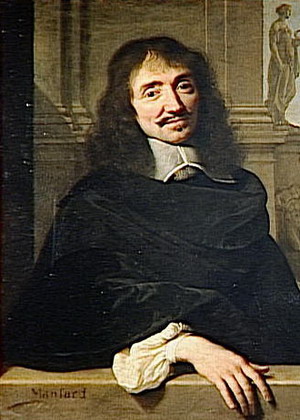
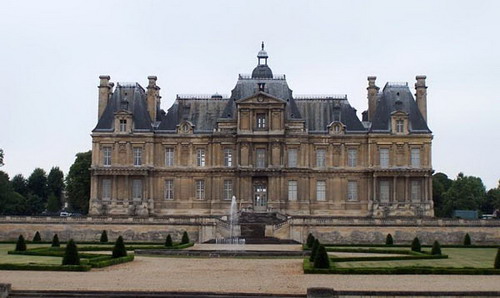
Mái Mansard là loại mái mang tên người phát minh ra nó: KTS François Mansard (1598- 1666). Mái có hình chóp cụt với độ dốc khá lớn, lợp ngói đá, do vậy tạo ra được một tầng áp mái có độ cao khả dụng. Về mặt thẩm mỹ thì bộ mái tạo ra một sự kết thúc thú vị và mạch lạc, rất phù hợp với các công trình kiến trúc theo phong cách Tân cổ điển.

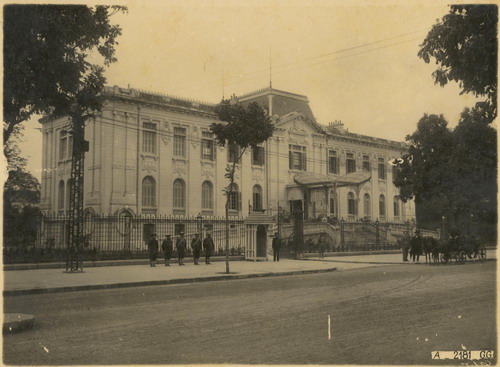
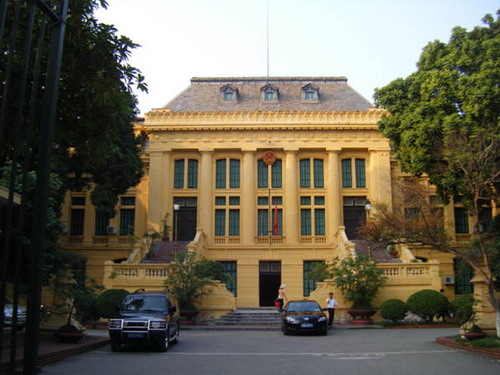
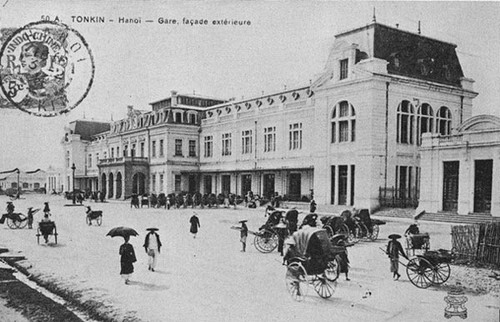
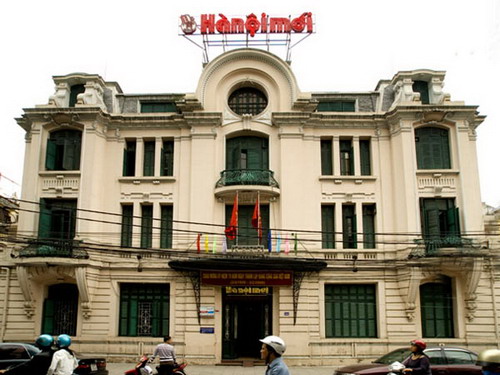
Tại Hà Nội, mái Mansard được sử dụng ở hầu hết các công trình kiến trúc phong cách Tân cổ điển xây dựng trong thời kỳ 1888- 1920 như Dinh Thống sứ, Toà án, Bưu điện, Ga Hàng cỏ, Trụ sở Công ty Hoả xa Đông Dương - Vân Nam, Khách sạn Métropole, Toà báo Avenir Tonkin….

Trên các công trình này, bộ mái Mansard đều được các kiến trúc sư - tác giả xử lý một cách khéo léo, khiến chúng không chỉ trở thành một bộ phận không thể thiếu của công trình mà còn đóng góp rất lớn vào sự thành công về mặt thẩm mỹ của toà nhà.

Ở dinh Thống sứ (12 Ngô Quyền), mái Mansard chỉ đột khởi lên ở khối trung tâm ẩn sau bức sơn tường được trang trí cầu kỳ tạo thành điểm nhấn duy nhất cho toà nhà.


Dinh Thống sứ Bắc Kỳ

Ở Toà án (48 Lý Thường Kiệt) thì bộ mái Mansard được sử dụng trên toàn bộ công trình, tuy nhiên ở khối trung tâm, bộ mái này cũng được nhấn mạnh và được kết hợp với các cửa mái tạo ra sự kết thúc nghiêm trang của một công trình mang tính công quyền.


Tòa án

Ga Hàng Cỏ trên phố Lê Duẩn có thể coi là một sự thành công bậc nhất trong việc sử dụng bộ mái Mansard ở Hà Nội, mái trên khối trung tâm có độ cao tương đối lớn với nhiều cửa sổ mở rộng được trang trí cầu kỳ, tiếp nối trên hai cánh nhà là các mái có độ cao nhỏ hơn với các cửa sổ có diện tích không lớn và trang trí đơn giản, nhưng ở phía cuối hai cánh nhà mái lại được tổ chức với độ cao lớn cùng một cửa sổ duy nhất trên mặt chính được trang trí theo kiểu sơn tường tạo ra sự kết thúc mạch lạc cho công trình, có thể nói Ga Hàng Cỏ là công trình Tân cổ điển có áp dụng bộ mái Mansard đẹp nhất Hà Nội.


Ga Hàng Cỏ (Ảnh chụp đầu thế kỷ 20)

Một công trình có quy mô không lớn nhưng nằm ở một vị trí trên phố Lê Thái Tổ bên Hồ Gươm, Toà báo Avenir Tonkin có bộ mái Mansard được sử lý độc đáo bậc nhất Hà Nội với cửa sổ hình tròn lớn được bao bọc bởi các trang trí hình bán nguyệt ở vị trí trung tâm, các cửa sổ chiếm hầu hết diện tích mái trên mặt đứng, đặc biệt hai cửa sổ sát hồi nhà được trang trí hết sức cầu kỳ.


Toà báo Avenir Tonkin

Một điểm đáng lưu ý là mặc dù đạt được những thành công vang dội vào những năm cuối thế kỷ 19, đầu thế kỷ 20 ở Hà Nội, nhưng từ nửa cuối thập niên 1920, phong cách kiến trúc Tân cổ điển Pháp cùng bộ mái Mansard đã phải nhường chỗ cho phong cách kiến trúc hiện đại Art Deco và phong cách kiến trúc Đông Dương, từ thời điểm này hầu như không còn công trình nào theo phong cách Tân cổ điển được xây dựng nữa.

Bộ mái Mansard trong kiến trúc đương đại

Bộ mái Mansard tưởng chừng đã bị lãng quên từ gần một thế kỷ này bỗng lại xuất hiện một cách khá “ rầm rộ” từ thập niên 1990 đến nay ở Hà Nội. Có thể nói Hà Nội là thành phố duy nhất trên thế giờ mà đến tận những năm đầu thế kỷ 21, bộ mái Mansard vẫn còn được sử dụng một cách “đại trà” từ công sở đến tư sở, từ chung cư cao tầng đến biệt thự thấp tầng.


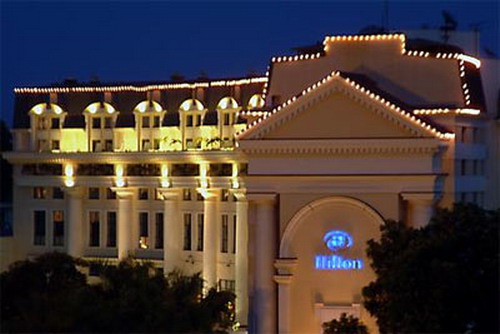
Khách sạn Hilton Hà Nội

Cũng có điều để thông cảm là ở Hà Nội có khá nhiều các công trình Tân cổ điển Pháp rất đẹp, lại được xây dựng ở những vị trí đắc địa của thành phố, nên khi thiết kế các công trình mới ở khu vực lân cận, các kiến trúc sư - tác giả cũng phải nghĩ đến sự hài hoà về mặt tổng thể. Tuy nhiên, những sự thành công trong việc cách điệu mái Mansard trong các công trình phong cách Tân cổ điển - Hậu hiện đại ở Hà Nội là hết sức hiếm hoi, có thể kể ra đây hai công trình là khách sạn Hilton Hà Nội và phần xây mới khách sạn Sofitel Métropole.

PHỐ PHÁP Ở HÀ NỘI

VÀI NÉT VỀ KHU PHỐ PHÁP Ở HÀ NỘI

by 
Trong quá trình phát triển của Hà Nội thời cận đại, “khu phố Pháp” để lại những dấu ấn đặc biệt. “Khu phố Pháp” đã trở thành một phần của Hà Nội, là một trong những di sản quý của văn hóa Thủ đô.
Cuối phố Tràng Tiền – tên thời Pháp thuộc là Rue Paul Bert.
1.Từ năm 1888, người Pháp bắt đầu tiến hành quy hoạch xây dựng Hà Nội trở thành trung tâm chính trị, hành chính ở miền Bắc Việt Nam của chính quyền thuộc địa. Khu phố Pháp ở Hà Nội – ngày nay vẫn được nhiều người quen gọi là khu phố “cũ” để phân biệt với khu phố “cổ” – hình thành và phát triển chủ yếu trong thời kỳ từ cuối thế kỷ XIX cho đến năm 1954 – khi binh lính và chính quyền thực dân của Pháp rút khỏi Hà Nội theo Hiệp định Giơ-ne-vơ.
Qua các bản đồ và các số liệu quy hoạch còn lưu giữ được, tổng diện tích khu phố Pháp tồn tại tới nay có quy mô khoảng 800 ha với 3 khu vực, chủ yếu trên địa bàn hai quận: Ba Đình và Hoàn Kiếm, một phần thuộc quận Hai Bà Trưng. Khu phố Pháp ở khu Ba Đình nằm ở phía Tây khu thành cổ, được xây dựng từ năm 1888 đến năm 1920 có diện tích khoảng 230 ha. Khu phía Đông hồ Trúc Bạch có diện tích khoảng 80 ha. Khu phía Nam khu phố cổ (phía đông và tây nam Hồ Gươm) có diện tích khoảng 470ha.
Nếu chia theo thời gian, có thể thấy rõ hai giai đọan phát triển của khu phố Pháp: Giai đọan 1 từ cuối thế kỷ XIX đến năm 1920; giai đoạn 2 từ năm 1920 đến năm 1954. Giữa giai đọan này có một sự gián đoạn trong những năm 1945 – 1946.
Trong giai đoạn từ cuối thế kỷ XIX đến năm 1920, người Pháp tiến hành cuộc khai thác thuộc địa lần thứ nhất ở Đông Dương. Ở Hà Nội, cơ sở hạ tầng cho công cuộc khai thác thuộc địa như các công trình bưu điện, ngân hàng, điện, nước sạch, giao thông vận tải, thương mại và dịch vụ… cũng như trụ sở các cơ quan công quyền và nhà ở cho công chức cũng lần lượt được xây dựng.
Đại học Đông Dương .
Bảo tàng lịch sử.
Ở Hà Nội, người Pháp bắt đầu xây dựng các công trình công cộng, các khu biệt thự đầu tiên trong khu phố Tây. Các công trình này được thiết kế theo phong cách Tân cổ điển, cũng đang thịnh hành ở Pháp. Bố cục dựa trên quy luật đối xứng nghiêm ngặt, nhấn mạnh khu vực trung tâm và hai khối bên cạnh của toàn quần thể. Các công trình tiêu biểu thời kỳ này là Phủ Toàn quyền (xây dựng năm 1902) nay là Phủ Chủ Tịch, Nhà hát lớn, Dinh thống sứ, Tòa án tối cao… Các công trình này được tạo dựng dưới bàn tay chỉ đạo của kiến trúc sư Henri-Auguste Vildieu.
Ngoài ra có thể kể đến: Nhà học biệt thự sát hồ (xây dựng năm 1909) nay là trường Trung học Chu Văn An; Trường Trung học Albert Sarraut (xây dựng năm 1919) nay là Văn phòng Trung ương Đảng… Trong giai đoạn sau có thêm các công trình: Nhà thờ Cửa Bắc – xây dựng năm 1925; Nhà Tài chính và Trước bạ – xây dựng trong những năm 1925 – 1930 – nay là trụ sở Bộ Ngoại giao; Câu lạc bộ thể thao Pháp – xây dựng năm 1930 – rồi trở thành câu lạc bộ Ba Đình, nay đã nằm trong khuôn viên khu Di sản thế giới Hoàng thành Thăng Long và không còn dấu tích hiện hữu trên mặt đất; Các biệt thự là trụ sở của 11 Đại sứ quán các nước Xã hội chủ nghĩa trước đây; Câu lạc bộ Thủy quân – xây dựng năm 1939 – nay là trụ sở Tổng cục Thể dục Thể thao…
Khu phía Đông hồ Hoàn Kiếm có nhiều công trình kiến trúc có giá trị như: Tòa thị chính thành phố – xây dựng trong khỏang mười năm (1897-1906) – nay là Ủy ban nhân dân thành phố; Phòng Thương mại và Nông nghiệp – xây dựng từ năm 1897 đến năm 1907 – nay là Bưu điện Quốc tế Bờ Hồ; Các kiến trúc trên phố Paul Bert này là phố Tràng Tiền; Nhà hát lớn – xây dựng từ năm 1901 đến 1910; Tòa án tối cao – xây dựng năm 1912; Dinh thống sứ (Bắc Bộ phủ) – xây dựng năm 1918 – nay là Nhà khách Chính phủ… Ngoài ra còn có các công trình công cộng phục vụ cho bộ máy chính quyền như: ga Hàng Cỏ – xây dựng năm 1902 – nay là Ga xe lửa Hà Nội; Công ty xe lửa Đông Dương và Vân Nam nay là Trụ sở Tổng công đoàn Việt Nam; Bệnh viện K-radium.
Khu phía Tây hồ Hoàn Kiếm có Nhà thờ lớn – xây dựng từ 1883 đến 1891; Tòa soạn báo Hà Nội mới (44 Lê Thái Tổ); trụ sở Công an quận Hoàn Kiếm…và khu phố của bà con công giáo cuối thế kỷ XIX ở khu vực các phố Nhà Chung, Nhà Thờ… xung quanh Nhà thờ lớn (quận Hòan Kiếm).
Một biệt thự ở phố Lý Thường Kiệt.
Bên cạnh những công trình lớn được xây dựng làm trụ sở cho những cơ quan công quyền và những cơ sở hạ tầng kỹ thuật cho một đô thị lớn, có tính đầu não ở miền bắc Đông Dương, khu phố Pháp là khu vực nhà ở dành cho tầng lớp công chức người Pháp và một số ít công chức cao cấp người Việt ở Hà Nội. Đường nét cơ bản dễ thấy trên diện mạo của những khu phố này là những khu biệt thự riêng biệt. Được quy hoạch trên các tuyến phố vuông vắn như bàn cờ.
Một biệt thự ở phố Thợ Nhuộm.
Phía Nam hồ Hoàn Kiếm có gần 100 biệt thự lớn trên các phố Trần Hưng Đạo, Phan Chu Trinh, Lý Thường Kiệt, Ngô Quyền…, là nơi ở của các quan chức cao cấp người Pháp, Việt, một số ít thương gia.
Về cấu trúc, khu phố Pháp được thiết kế theo hai trục cơ bản là Bắc – Nam và Đông – Tây. Đường phố rộng và vỉa hè lớn. Những công trình công cộng lớn như Nhà hát lớn, ga Hàng Cỏ, Đại học Dược, Ngân hàng Nhà nước được bố trí làm điểm nhấn. Các phố nằm trên trục Bắc – Nam kết nối các khu vực không gian lớn với nhau (khu vực quanh hồ Hoàn Kiếm, khu vực quanh hồ Thiền Quang).
Trong quy hoạch tổng thể của khu phố Pháp, cây xanh và hồ nước là những điểm nhấn quan trọng. Trong vườn các khu biệt thự đều có cây xanh . Cây xanh được trồng dọc hai bên phố tạo thành một mạng lưới theo ô bàn cờ. Hồ Gươm, hồ Trúc Bạch, hồ Tây, hồ Thiền Quang là những điểm nhấn trong cảnh quan kiến trúc đô thị. Các hồ đó đóng vai trò quan trọng trong đồ án quy hoạch đô thị của thành phố – cả trong việc tiêu thóat nước và cân bằng môi trường sinh thái.
Các biệt thự dành để ở được xây theo lối kiến trúc Pháp. Nhà có tầng hầm, tường xây dày 33cm, hệ thống cửa trong kính ngoài chớp, mái dốc. Tường vàng, cửa sơn xanh là những gam màu tiêu biểu. Tường rào chạy thẳng hàng dọc theo hè phố. Bờ tường thấp có hàng rào sắt ở trên là một trong những đường nét đặc trưng khi ngắm nhìn các biệt thự trong khu phố Pháp.
Những công trình được xây dựng trong thời kỳ này có vẻ như chưa thích nghi với các điều kiện bản địa, thiếu sự hài hòa với không gian chung của Hà Nội. Tuy nhiên, sự thống nhất và triệt để trong việc sử dụng phong cách cổ điển đã tạo ra cho Hà Nội những biến đổi căn bản về hệ thống các công trình công cộng và không gian đô thị. Người Hà Nội đã dần quen với một diện mạo đô thị mới, được quy hoạch và phát triển có tính toán chứ không phải là những phường, những phố hình thành tự nhiên do nhu cầu và tự phát do điều kiện địa lý như đã từng diễn ra ở khu phố cổ trong thời trung đại.
Những năm từ 1920 đến 1954, các kiến trúc sư Pháp tiếp tục xây dựng thêm nhiều công trình công cộng, cơ sở hạ tầng và biệt thự ở Hà Nội như: Đại học Đông Dương, Sở Tài chính, Bảo tàng Viễn Đông Bác cổ, Nhà thờ Cửa Bắc, Viện Pasteur, Câu lạc bộ Thủy quân, trụ sở hãng Shell – xây dựng trong những năm 1925-1930 – nay là trụ sở Bộ Khoa học Công nghệ và môi trường; Đại học Đông Dương – được xây dựng trong những năm 1923-1926 – nay là Đại học Tổng hợp, Viện Pasteur – hoàn thành năm 1930 – nay là Viện Vi trùng học; Khu Đông Dươn học xá – xây dựng năm 1942 – nay là Khu Đại học Bách Khoa…
Trong quy hoạch đô thị xuất hiện một phong cách kiến trúc mới – kiến trúc kết hợp. Trên nền quy hoạch đô thị kiểu châu Âu, các kiến trúc sư người Pháp, người Việt có những giải pháp nhằm tạo lập không gian, cảnh quan phù hợp với điều kiện khí hậu, phong tục của địa phương.
Những công trình mới trong khu phố Pháp đã được “nhiệt đới hóa” cho thích hợp hơn với khí hậu Hà Nội: nhà có tầng hầm, tường dày, mái có khỏang không lớn để tăng khả năng cách nhiệt, chống nóng… Cây xanh được trồng thêm trên các phố. Nhiều giống cây mới được nhập và trồng thích hợp ở Hà Nội. Khu phố Pháp trở thành một quần thể đô thị tương đối đồng nhất về phong cách kiến trúc.
Còn nhiều biệt thự cũ được bảo tồn tốt trên đường Điện Biên Phủ.
2. Sau năm 1954, khu phố Pháp ở Hà Nội trải qua nhiều biến cố. Khi người Pháp chấm dứt sự hiện diện về hành chính và quân sự ở Hà Nội, toàn bộ khu phố Pháp thuộc sở hữu của nhà nước Việt Nam dân chủ cộng hòa. Công sở trước kia của chính quyền thuộc địa nay được sử dụng là nơi làm việc của chính quyền mới. Một phần trong số các biệt thự cũng được sử dụng làm công sở. Một phần khác được chia cho các cán bộ cao cấp dùng làm chỗ ở. Cho đến năm 1986, trong số 500 biệt thự thì có 435 được dùng làm nhà ở. Theo thống kê về quyền sở hữu: Trong số này, 368 biệt thự thuộc quyền sở hữu nhà nước, 53 là biệt thự tư nhân, và 20 là hỗn hợp.
Ở các biệt thự được dùng làm nhà ở, theo thời gian, dân số trong các khu biệt thự này tăng lên. Các cán bộ đưa gia đình mình từ các địa phương khác về sống tại những ngôi biệt thự được chia đó và thế hệ thứ hai rồi thứ ba nối tiếp nhau ra đời trên diện tích ở được phân phối ban đầu. Diện tích ở bình quân trên đầu người trong những khu biệt thự giảm dần. Năm 1954, bình quân một người sử dụng 4,84m nhà, năm 1960 chỉ còn 3,9m, năm 1984 là 3,04m[1]và hiện nay, tuy chưa có số liệu thống kê đầy đủ, nhưng chắc chắn còn thấp hơn nhiều. Các biệt thự cũ không còn đáp ứng được nhu cầu sinh hoạt của người sử dụng nó. Tại các khu biệt thự này, người ta buộc phải tìm nhiều cách khác nhau để cải thiện điều kiện ở của mình. Biện pháp đơn giản nhất là xây thêm những phần công trình mới trên khỏang không gian còn lại của khuôn viên biệt thự hoặc cơi nới thêm gác, tầng xép. Kèm theo việc xây dựng là việc lắp đặt thêm các thiết bị mới trong nội thất: máy điều hòa nhiệt độ, bồn tắm hiện đại, bình nước nóng lạnh. Các biệt thự bị biến dạng, méo mó, mất đi giá trị ban đầu.
Một biệt thự cũ trên phố Quán Thánh đã được cải tạo để cho thuê.
Với những biệt thự được trưng dụng làm công sở tình hình cũng diễn ra tương tự. Cùng với thời gian, khối lượng công việc, số lượng phòng ban và nhân viên tăng lên khiến người ta phải ngăn nhỏ, xây thêm để tăng thêm số phòng. Sau một thời gian dài sử dụng nhưng ít được duy tu bảo dưỡng, nhiều công sở trở nên chật chội và lần lượt xuống cấp khiến người ta nghĩ đến phương án phá đi để xây một trụ sở mới với kiến trúc hiện đại trên diện tích cũ.
Từ năm 1986 đến nay, cấu trúc của các khu phố Pháp ở Hà Nội đã thay đổi. Ngoài sự xuống cấp của các công trình thì chức năng của chúng cũng được sử dụng vào những mục đích mới. Trong những năm gần đây, trước sự xuống cấp và mai một của “khu phố Tây” và nhu cầu buôn bán của thị trường, đã xuất hiện các xu hướng xây dựng để đáp ứng những nhu cầu sử dụng khác nhau, để nâng cao “hiệu quả kinh tế” của các khu biệt thự cũ.
Người ta phá đi một phần của khu biệt thự – những phần tiếp giáp với đường phố – để cải tạo thành cửa hàng, thỏa mãn nhu cầu kinh doanh của người sử dụng. Nhiều bức tường bao quanh được phá đi và các khu vườn của các biệt thự được biến thành các cửa hàng, quán ăn, quán cà phê. Dễ thấy nhất ở các tuyến phố thuộc quận Hoàn Kiếm – nơi kinh doanh buôn bán nhộn nhịp với nhiều loại mặt hàng khác nhau nhưng phố biến nhất là hàng điện tử gia dụng. Nhiều ngôi biệt thự bị phá đi hoàn toàn để xây những building hiện đại làm văn phòng cho thuê. Số lượng biệt thự dùng để ở ngày càng giảm vì xu hướng “phá dỡ” này vẫn đang tiếp tục.
Một xu hướng khác tìm đến nhu cầu và thị hiếu của những khách hàng cao cấp muốn sống và làm việc trong những ngôi nhà kiểu châu Âu cũ. Nhiều ngôi biệt thự – bằng nhiều cách và nhiều con đường khác nhau – đã được sửa chữa, khôi phục lại hình dáng và cấu trúc ban đầu. Việc tu sửa này trước hết nhằm mục đích kinh doanh (cho tư nhân thuê để kinh doanh như mở các nhà hàng, khách sạn, văn phòng) với mức giá cao – nếu so sánh với những công trình có cùng mục đích ở những địa điểm khác ở Hà Nội. Xu hướng này không rầm rộ như xu hướng thứ nhất song cũng đã xuất hiện nhiều trên những đường phố thuộc khu Ba Đình.
Quá trình du nhập của kiến trúc Pháp ở Hà Nội diễn ra từ cưỡng bức (trong buổi đầu) đã dần chuyển hóa mềm mại và tìm đến những đặc trưng phù hợp với đặc điểm tự nhiên và xã hội của Hà Nội. Mỗi công trình đều mang trong nó dấu ấn thời đại và dấu ấn của các cá nhân đương thời.
Từ khi hình thành cho đến nay, khu phố Pháp đã trải qua nhiều thời kỳ phát triển, song hành cùng những thăng trầm của lịch sử Thủ đô và đất nước. “Khu phố Pháp” sống trong lịch sử cận đại và hiện đại của Hà Nội, đã trở thành một phần không thể thiếu của văn hóa Hà Nội. Nó cũng cần được nhìn nhận như một di sản văn hóa của Hà Nội, đặc biệt là văn hóa kiến trúc đô thị, và cần được đầu tư để bảo tồn trên nhiều phương diện – như người ta đã nhấn mạnh với “khu phố cổ”.
Quỹ di sản ấy cần có được các tiêu chí nhận diện chính xác và đặt ra các phương thức ứng xử phù hợp phục vụ cho mục tiêu bảo tồn, cải tạo./.
Bài Ngữ Thiên
Ảnh tư liệu và Ngữ Thiên

[1] Anne Koperdraat, Hans Schenk: “Tàn dư thuộc địa lúc giao thời: Người Hà Nội ở “khu phố Pháp”, Kỷ yếu hội thảo quốc tế Việt Nam học lần thứ nhất, Hà Nội, 1998, Tập 4; trang 369.